The Deal Depot
Faraday Bags are essential for protecting your electronic devices from external interference and hacking attempts.
About This Business
Listening Devices Australia – A Complete Guide
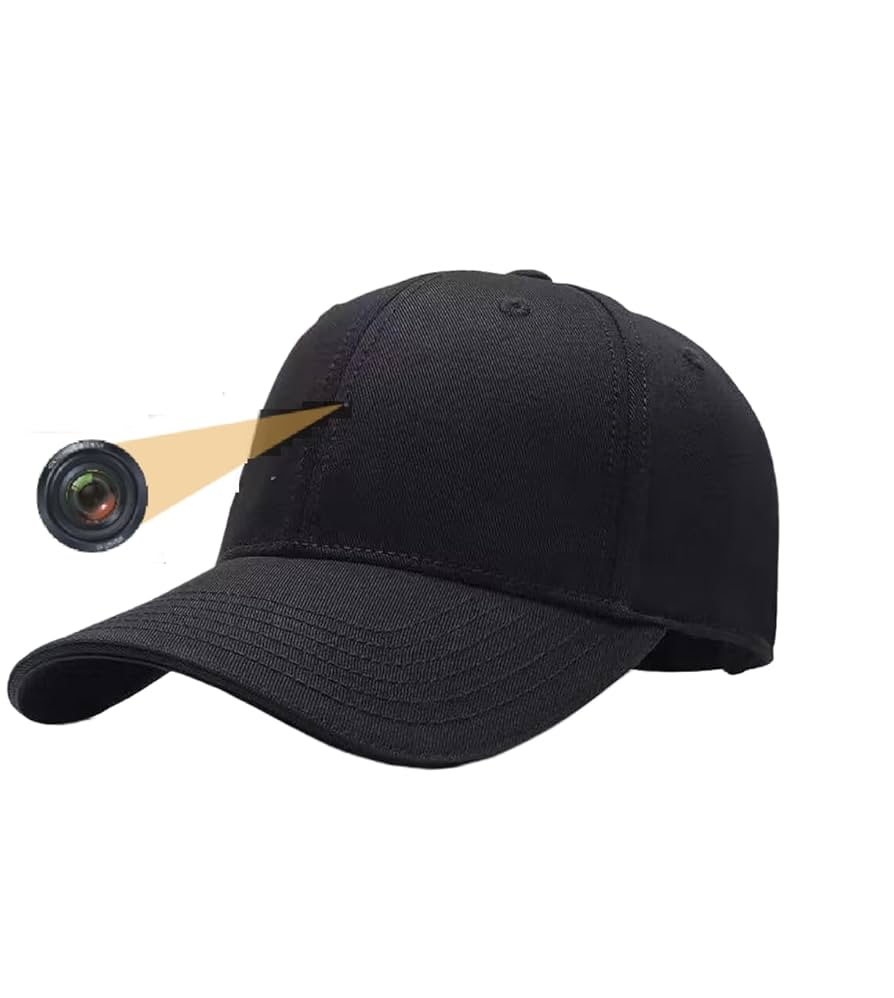
Listening devices are electronic tools designed to monitor, record, or transmit sound from one location to another. In Australia, these devices are widely used for a range of legitimate applications — from security monitoring to professional inspections — and are available from retailers like The Deal Depot in their listening devices product category.
1. Overview of Listening Devices
At their core, listening devices allow users to capture or monitor audio in real time or record it for later playback. These devices vary in size, function, and method of audio transmission. You can find simple voice recorders as well as advanced wireless units with app connectivity.
2. Common Types of Listening Devices in Australia
Here are the main types of listening devices available:
Voice Recorders
Often compact and portable, voice recorders are used to record interviews, meetings, lectures, or personal notes. Some come with voice-activated recording, which starts capturing only when sound is detected, saving battery and storage space.
Wall Microphones
These devices can listen through solid surfaces like walls. They are particularly useful for building inspectors, pest professionals, and technicians who need to hear activity without direct line-of-sight access.
FM/VHF Listening Devices
These broadcast audio signals over standard radio frequencies. When paired with a compatible radio scanner, they allow remote audio monitoring across short distances.
Remote and Wi-Fi Listening Devices
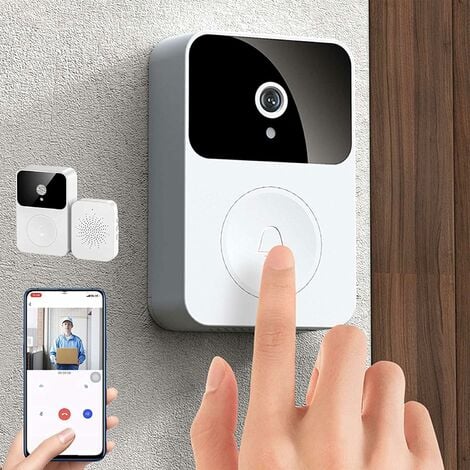
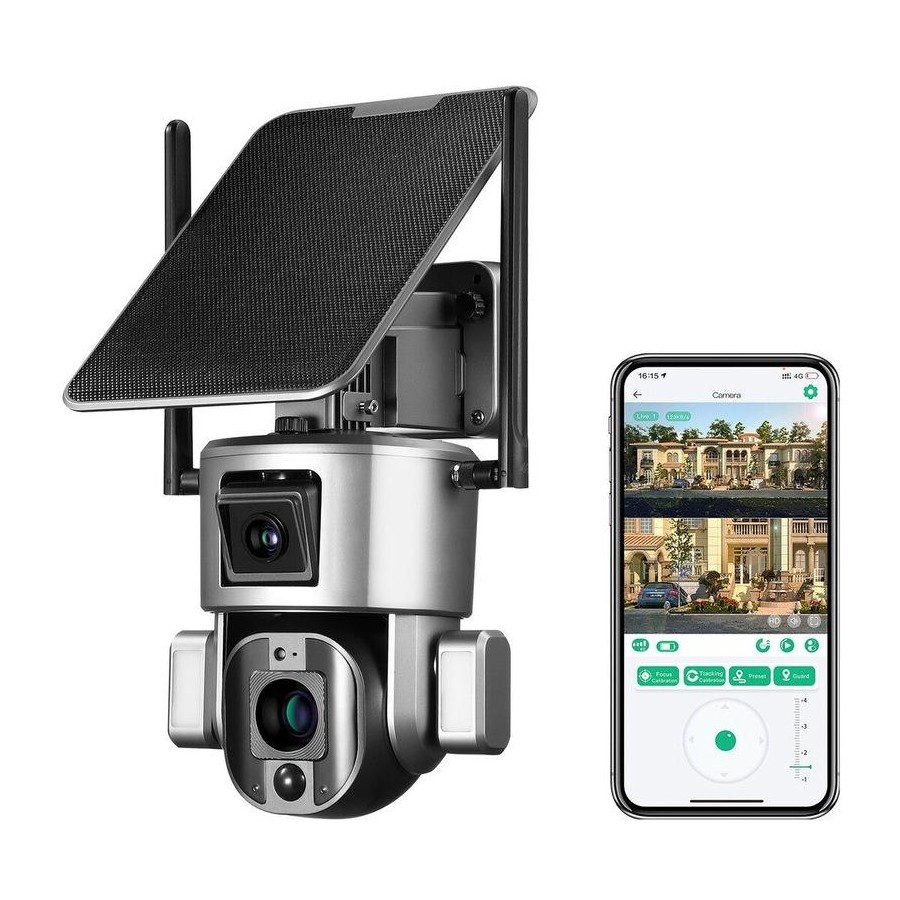
Advanced listening devices use wireless technology to send audio to apps on your phone or computer. This allows you to monitor sounds from anywhere with internet access. Some models also offer push notifications when sound is detected.
3. Features to Consider
When choosing a listening device in Australia, consider these features:
-
Voice Activation: Only records when sound is present, extending battery life and saving storage.
-
Remote Connectivity: Wi-Fi enabled devices let you listen from a distance via smartphone apps.
-
Push Alerts: Get notifications when the device detects audio activity.
-
Range and Transmission: FM/VHF models vary in how far they can send audio, often dependent on antennas and environment.
4. Legitimate Uses of Listening Devices
Listening devices are commonly used in Australia for:
-
Security Monitoring: Enhancing safety in homes or businesses by capturing audio evidence.
-
Professional Inspections: Pest controllers and builders use wall microphones to hear activity behind walls.
-
Recording Interviews and Meetings: Voice recorders capture important conversations where accuracy matters.
-
Parental Monitoring: Some parents use remote audio devices as an extra check on infants or dependents.
5. Legal Considerations in Australia
The use of listening devices is regulated by state and territory law across Australia. These laws are designed to protect privacy and prevent the unlawful interception or recording of private conversations.
Privacy and Consent
Under acts like the Surveillance Devices Act (state based), it is usually illegal to record or monitor private conversations without the consent of all parties involved. Devices capable of overhearing or recording conversations — including digital recorders — fall under this regulation.
Private Conversations
A private conversation generally means a conversation where people reasonably expect their words will not be overheard or recorded. Recording such conversations without consent can lead to criminal penalties across states like New South Wales, Victoria, South Australia, and others.
State Differences
-
In New South Wales, it is an offence to record a private conversation without consent from all parties under the Surveillance Devices Act 2007.
-
In Victoria, listening devices are regulated under the Surveillance Devices Act 1999 and include any device capable of overhearing or recording private conversations.
-
In Queensland, using a listening device to record a private conversation is also restricted; recordings generally cannot be published without consent.
Because laws vary by state, always check local legislation before using a listening device for surveillance or recording. You may need consent or a specific legal reason to use such technology.
Frequently Asked Questions (FAQ)
1. What are listening devices?
Answer: Listening devices are electronic tools that capture or transmit sound from one place to another. They include voice recorders, wall microphones, FM transmitters, and Wi-Fi enabled audio devices.
2. Are listening devices legal in Australia?
Answer: Yes, listening devices are legal to own and use, but their use is regulated. Laws generally require consent from parties being recorded when capturing private conversations, or specific legal authority.
3. Can I remotely listen to audio from anywhere?
Answer: Yes, some advanced devices with Wi-Fi connectivity allow you to listen or receive alerts from your smartphone or computer.
4. Do I need consent to record conversations?
Answer: In many Australian states, you must have consent from all parties before recording a private conversation. Laws vary, so check with local legal requirements.
5. What should I consider when choosing a listening device?
Answer: Look at battery life, range, remote access, voice activation, and ease of use. These features affect how and where you can use the device.
Reviews & Ratings
No reviews yet
Be the first to share your experience!